
Rainwater Harvesting Systems Plumbing Services in Wauna, WA
Wauna Rainwater Harvesting Systems Experts available now in Pierce County
Rainwater Harvesting Systems is an environmentally sustainable plumbing service that entails the planning and setup of systems to gather, hold, and utilize rainwater for non-potable purposes. These systems typically feature filtration components, tanks, and collection areas, enabling sustainable water use in irrigation, flushing, and cleaning. Properly implemented systems help cut expenses and support environmental sustainability
We provide excellent Plumbing services throughout Pierce County. Whether you need help with Rainwater Harvesting Systems or other issues, our Team is ready.

Plumbing Services in Wauna, WA
Installing dishwashers, water heaters (tank and tankless), garbage disposals, and washing machines.
Ensuring backflow avoidance gadgets are working correctly.
Moving or upgrading plumbing systems.
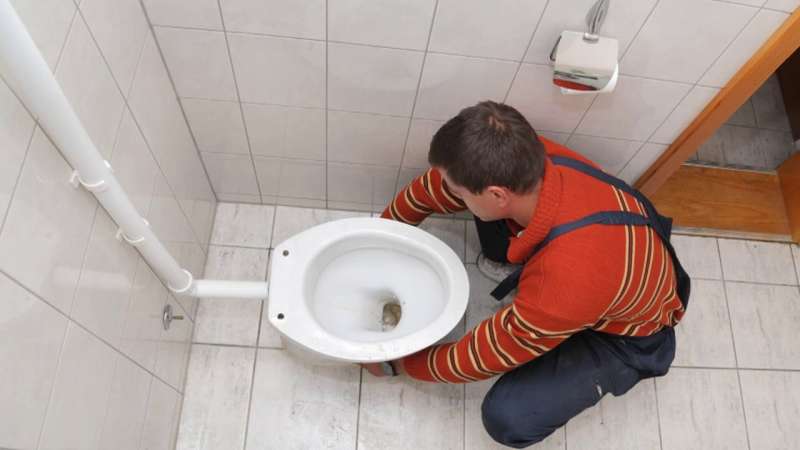
Guaranteeing plumbing systems satisfy regional regulations.

Immediate reaction to prevent flooding and water damage.
Cleaning blockages in sinks, toilets, showers, and drain lines.
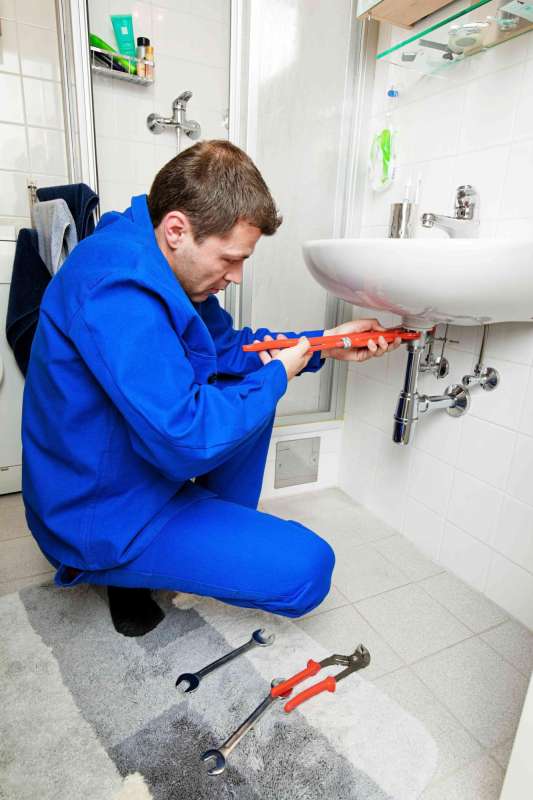
Regular cleansing to prevent clogs and preserve flow.
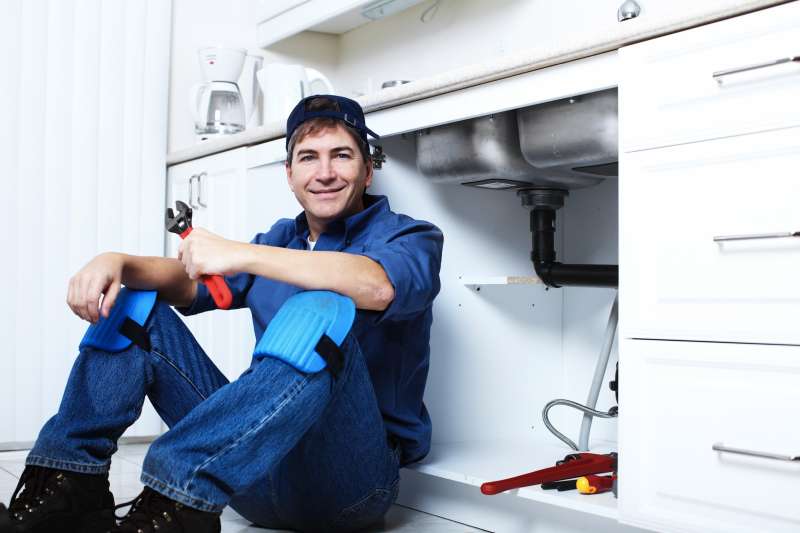
Repairing malfunctioning faucets, toilets, and other fixtures.
Installation of sinks, faucets, toilets, tubs, and showers.

Emergency detection and repair work to prevent dangers.
Repairing gas leaks and ensuring proper gas line functioning.
Setting up systems for reusing family wastewater.
Setting up and maintaining glowing floor heating unit.
Specialized piping for factories or industrial settings.
Setting up and preserving outside watering.
Plumbing systems for new structures or renovations.
Fixing leakages in pipes, faucets, toilets, and appliances.
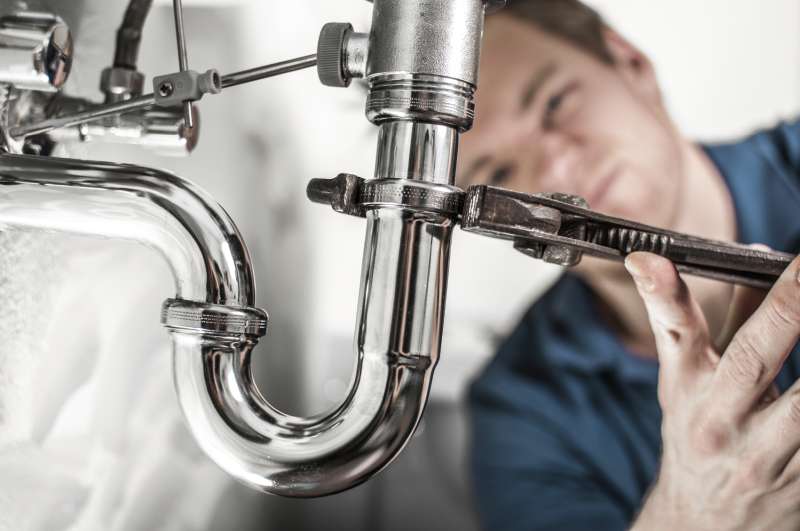
Quick resolution of severe blockages and overflows.
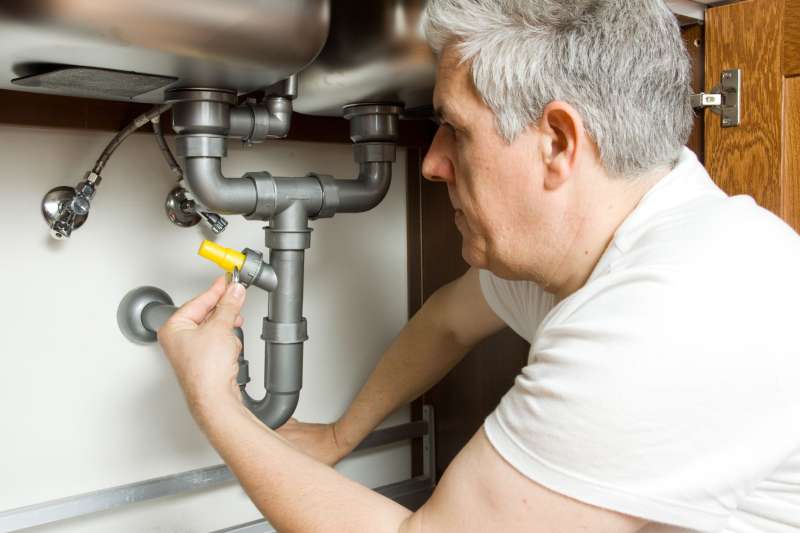
Using cameras to examine pipes for damage or clogs.

Fixing or replacing burst, rusted, or damaged pipelines.

Setting up brand-new piping systems for water, gas, and drain.

Examining plumbing systems before purchasing home.
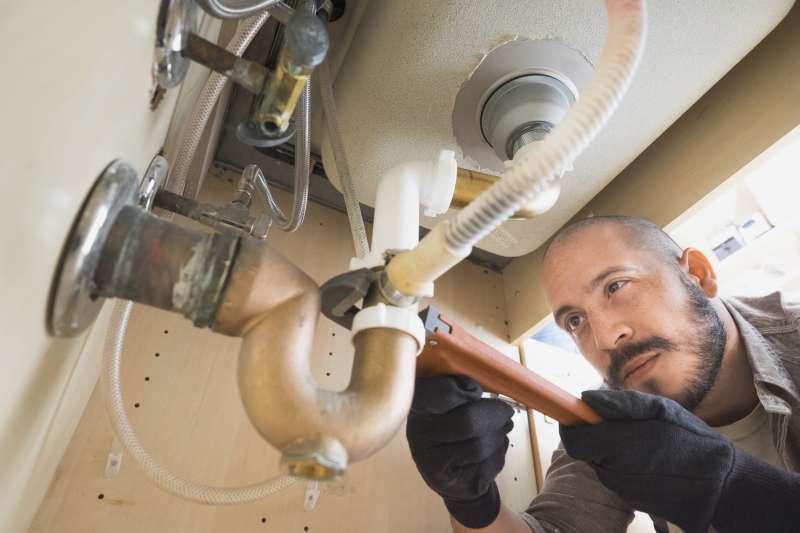
Setting up systems to gather and utilize rainwater.
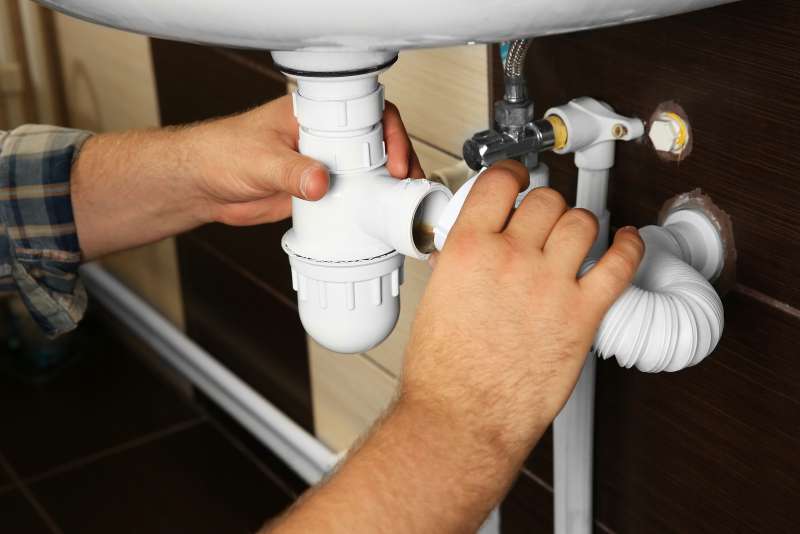
Continuous maintenance services for companies.

Setting up, fixing, and keeping septic systems.

Handling groundwater in basements.
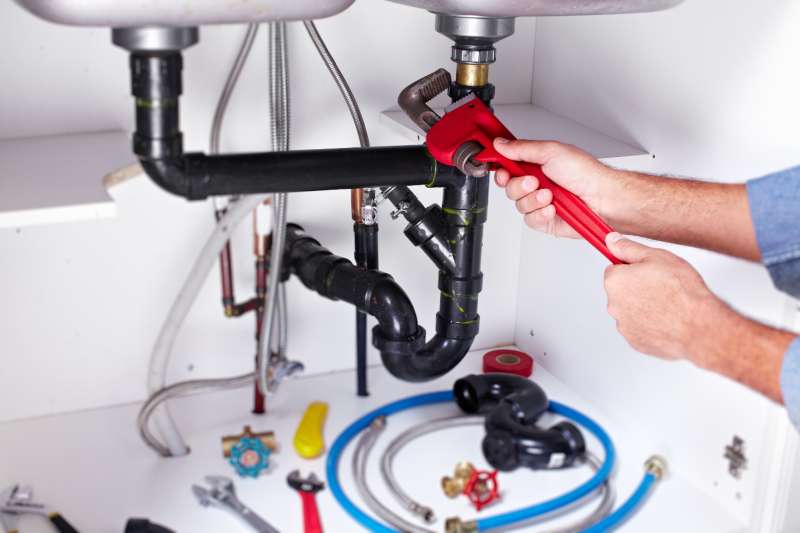
Installing water-efficient or modern components.
Encouraging on water-saving strategies and items.
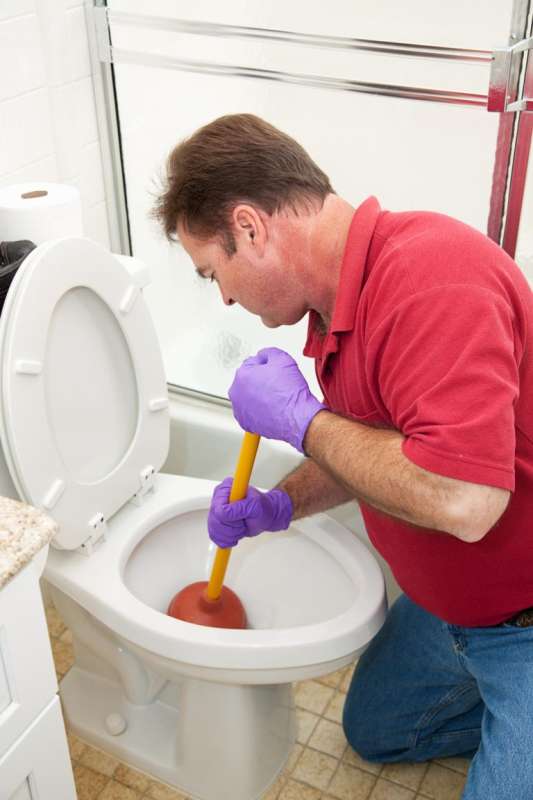
Installing water softeners and filtration systems.
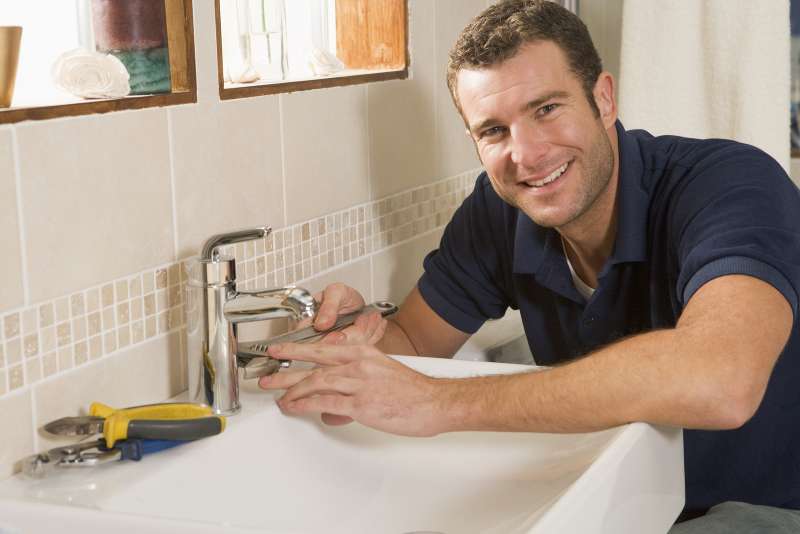
Flushing and examining water heaters to prolong life-span.
Addressing issues with temperature level, leaks, or failure to heat water.

Protecting basements or other locations from water intrusion.
Immediate attention to prevent contamination and health risks.